
Does Le Bonheur resemble a reverse-mirror version of the Jules et Jim triangle, drained of the bohemian philosophizing and doubtful of that film's romanticism?
— Robert Horton
When the quartet drives home, it is revealed they live in the kind of shiny suburban development of glass and concrete and perpendicular paved roads that Tati teased and poked at in Mon oncle. Yet, via Varda’s ever-so-slightly overexposed images (her visual referent for the film was the look of amateur family photos and, at the same time, the Impressionists), we can’t easily locate the same kind of critique. Somehow, the rigidity, the clean lines, the organization seem…almost nice. As does the marital existence of François and Thérèse. He’s a carpenter, she’s a dressmaker. They love their kids, have charming extended family nearby, seem regularly sexual with each other. They both pitch in with chores around the house. Sometimes their outfits are even color coordinated. Is this last bit a joke?[…]
François seems to me too much a bimbo to deceive out of malice; he’s too openly caring at home to be quickly written off. Still, has everything he’s been telling Émilie to calm her about their affair been merely platitudes so they can continue? Varda makes one wonder about the ways in which platitudes can be both aimed at selfish ends and deeply felt all at once.
— Jeff Reichert (Reverse Shot)
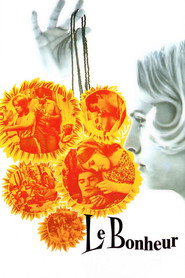


Synopsis: Though married to the good-natured, beautiful Thérèse, young husband and father François finds himself falling unquestioningly into an affair with an attractive postal worker.